
BRA FIT · BREAST HEALTH
Why Do My Breasts Hurt in My Bra?
When the cups pinch, the straps dig and taking your bra off feels like a small national holiday, here is how to work out what is actually hurting.

If your breasts hurt in your bra, its fit may be contributing. A small cup can compress tender tissue. A loose band can allow painful movement.
Narrow straps can dig into shoulders. Underwire can press on breast tissue instead of surrounding it.
A painful bra can also be the first place you notice a change in breast size, shape or sensitivity.
Your bra cannot diagnose the cause. It can make a change in comfort hard to ignore.
Someone important to you needs this too.
WhatsApp · iMessage · Copy Link · Email
Quick answer: bra fit can hurt if cups compress tissue, the band is tight or unstable, straps carry too much weight, or underwire presses on the breast.
Existing tenderness from hormonal, medical, or muscle and joint causes can also make wearing a bra uncomfortable.
Check the fit and ease painful pressure. Persistent pain in one area, or pain with another new breast change, needs medical assessment.
Can the wrong bra really cause breast pain?
A poorly fitting bra can contribute through compression, friction, pressure and limited control of breast movement. The cause of discomfort varies by person and bra.
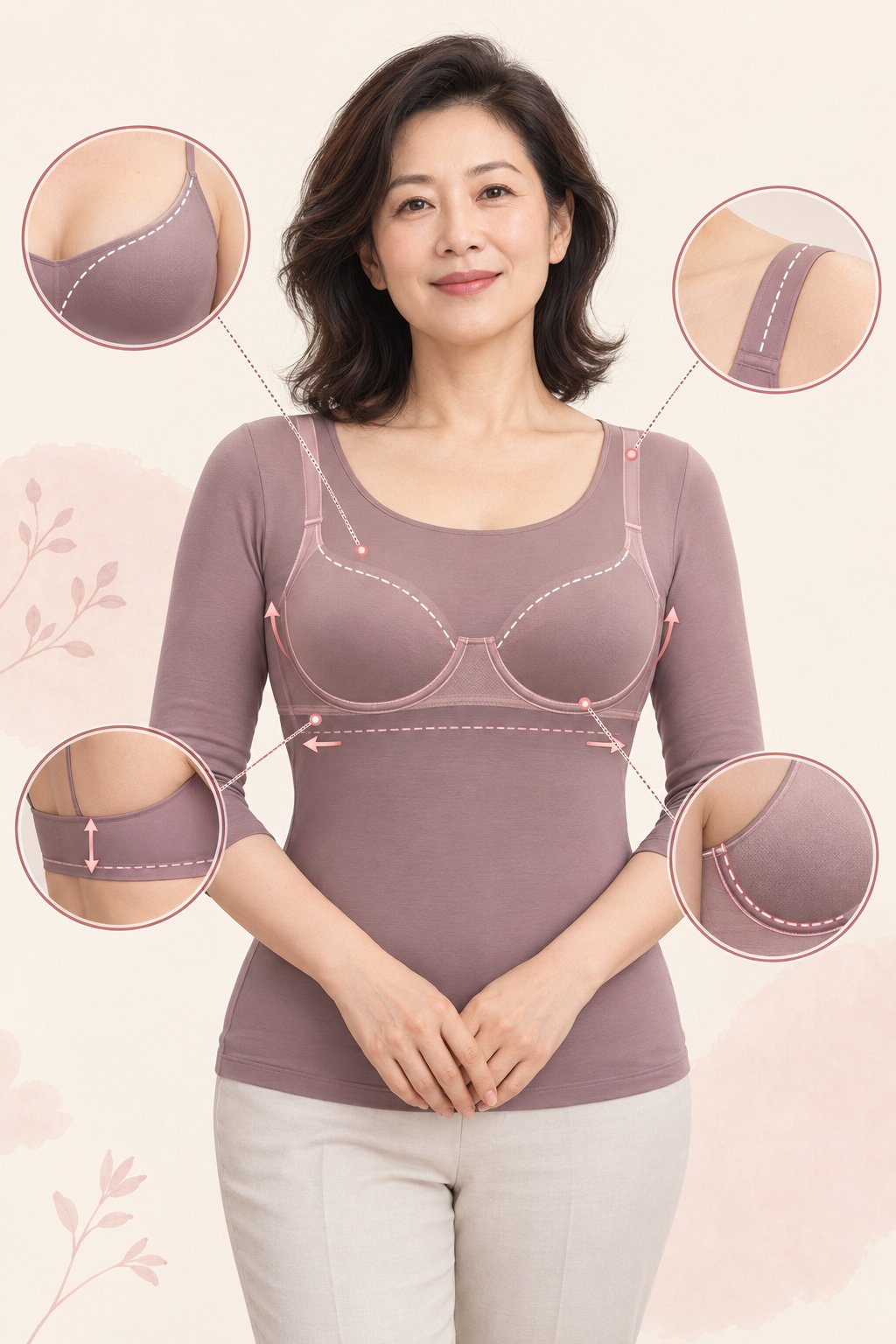
A small cup may cut into breast tissue or push it to the sides. A loose band may ride up and fail to stabilise the bra.
Straps tightened to compensate can add shoulder pressure. They may not fix the underlying fit problem.
Insufficient support can make movement uncomfortable, especially for larger or heavier breasts. Aim for balanced support rather than maximum tightness.
How do I know if the cups are causing the pain?
Check for tissue spilling over the top or sides. Notice if underwire rests on breast tissue, the centre panel sits away, or pressure stays in one spot.
Going up a cup size does not always solve the problem. Cup shape matters. Your breast may need more depth, side containment or a different wire width.
Soft breast tissue can fold or escape from cups designed for firmer shapes. That signals a fit issue, not a personal failure.
Is the band too tight or actually too loose?
Both can hurt. An excessively tight band can create pressure and friction. A loose band can move, ride up and transfer too much work to the straps.
A stable band should sit level and feel secure without restricting normal breathing. If it rides up, tightening the straps may add pressure without fixing the fit.
Remember that bra sizing is not perfectly standardised between brands and styles. Treat the printed size as a starting point, then assess the fit on your body.
Why do bra straps hurt my shoulders?
Straps can become painful when they are overtightened, too narrow for the load, badly positioned, or compensating for a band that is not providing enough stability.
Wider straps may improve comfort for some women by distributing pressure over a larger area, but strap width alone cannot correct a poor band and cup fit.
If shoulder pain persists outside bra wear or is associated with neck, arm or neurological symptoms, do not assume the bra explains everything.
Can underwire cause breast pain?
Underwire can hurt if its width or shape is wrong, if the cup is small, or if the bra shifts over tender tissue.
A correctly fitted wire should surround breast tissue, not rest on it.
Some women prefer wireless bras during perimenopause, after menopause or on tender days. They can reduce rigid contact points.
A wireless bra still needs a stable band, suitable cups, fabric recovery and good breast containment.
The useful comparison is not wire equals bad and wireless equals angelic. It is whether the bra supports your current breast shape without creating painful pressure.
Someone important to you needs this too.
WhatsApp · iMessage · Copy Link · Email
Why did my bra suddenly start hurting in perimenopause?
Breast tenderness, temporary fullness and changes in size or shape can occur during the menopause transition. A familiar bra may become uncomfortable as sensitivity or breast shape changes.
If pain coincides with irregular periods, tenderness or fullness, track the pattern. Persistent one-sided pain or another new breast change still needs attention.
A fit reassessment can address today’s pressure points. Tracking other changes can help you describe what has changed and when.
What should I wear when my breasts are sore?
Choose enough support to reduce uncomfortable movement without compressing painful tissue. Soft contact surfaces, adequate cup depth, a stable band and comfortable strap placement are useful priorities.
A supportive wireless bra may help when rigid pressure irritates. For exercise, choose a sports bra suited to your breast size and activity.
Higher-impact activity increases breast movement.
Some women sleep comfortably without a bra. Others prefer a soft sleep bra to reduce movement. Choose what feels comfortable without restricting you.
What if my bra hurts more when I am hot or sweating?
Heat, sweat and friction can worsen discomfort. Moisture under the breasts can irritate skin and contribute to intertrigo, an inflammatory rash in skin folds.
Choose breathable, moisture-managing fabrics, change out of damp clothing, dry skin folds gently and make sure the band is not repeatedly rubbing the same area.
Cool, breathable nightwear and bedding may make waking hot and damp more manageable. They do not treat the hormonal cause of night sweats.
Your sheets need not become collateral damage.
When is the bra probably not the whole problem?
Arrange medical assessment if pain persists after removing the bra, stays in one spot, worsens, or comes with a breast change.
Changes include a lump, nipple changes, unusual discharge, dimpling, lasting redness or swelling.
Breast pain alone is unlikely to indicate cancer, but persistent focal pain deserves assessment. Pain can also begin in the chest wall, muscles, ribs, shoulder, neck or back.
A fit change can improve mechanical discomfort. It cannot diagnose the cause of unexplained pain.
Start here: the Sophora fit-and-pain check
- Remove the painful bra and note whether pressure marks match the sore area.
- Check cup containment and see whether the band stays level.
- Loosen the straps, then reassess how the bra supports you.
- Try a comfortable alternative style if needed.
- Arrange an assessment for persistent or unusual pain.
If your breasts have changed, remeasure before buying new bras. Size is only part of fit. Shape, softness, width and sensitivity matter too.
The best bra is not the one that wins an engineering award while you are counting the minutes until you can take it off.
Questions you may still be asking
Why do my breasts ache when I wear a bra?
Possible reasons include cup compression, poor support, strap pressure, underwire position, friction or pre-existing breast tenderness. Persistent or unusual pain should be assessed.
Should I stop wearing a bra if my breasts hurt?
Some women feel better without a bra, while others need support to reduce painful movement. Try a correctly fitted, comfortable option and judge by your symptoms.
Is a wireless bra better for breast pain?
A well-fitted wireless bra can reduce rigid pressure points for some women, but construction and fit still matter. Wireless does not automatically mean supportive or comfortable.
Why does my bra hurt under my breasts?
Possible causes include band pressure, friction, trapped moisture, skin irritation or poor fit. Persistent rash, broken skin, marked redness or worsening symptoms need appropriate assessment.
Can menopause make my bra uncomfortable?
Yes. Breast tenderness, size change, softness, shape change and body change can alter fit during and after the menopause transition.
Remember This
You now know: A bra can cause pressure, movement or friction. It can also reveal tenderness with another cause.
One thing to do: Check cup containment, band stability, strap tension and where the bra contacts the painful area before buying the same size again.
Hold onto this: A comfortable bra should support your current body. Persistent or unusual pain deserves assessment, not progressively tighter straps.

Related Reading
- Sore Breasts During Perimenopause: Why They Hurt and What Can Help · Understand tenderness and when it needs assessment.
- Bra Size Chart: Find Your Bra Size · Check your measurements and bra fit.
- Why Do My Breasts Feel Heavy During Menopause? · Explore breast heaviness and support options.
MEET SOPHORA
Make sense of what is happening to you.
When breast discomfort arrives alongside other changes, it can be hard to track what you have noticed.
You may also want help preparing questions for your doctor.
Sophora Companion can help organise your experiences and explore how symptoms may fit together.
Hormone Map and My Story help you look at changes over time. These tools do not diagnose the cause of breast pain.
The Answers You Need turns four quiet questions into a doctor-ready summary document.
Private. Yours Only: Every Woman is unique. No Waiting. No Judgement. No Records Kept for External Use Whatsoever.
One payment. Twelve months. No subscription.
You’re Not Alone Anymore. Meet Sophora. Your Menopause Companion
References
References support specific factual sections. They do not establish that every painful bra is the cause of breast pain.
- NHS. Breast pain. Causes, self-care and indications for assessment.
- Breast Cancer Now. Breast pain. Cyclical, non-cyclical and chest-wall pain context.
- American College of Radiology. Appropriateness Criteria: Breast Pain.
- University of Portsmouth Research Group in Breast Health. Breast support and biomechanics research context.
- Healthdirect Australia. Breast pain and breast-change information.
- Government of Canada breast health and screening resources.
- U.S. National Cancer Institute. Breast changes and breast-health information.